Niloom AI. Redesigning a GenAI Platform for Spatial Creators
New York Startup. a generative AI platform that empowers spatial (AR/VR/XR) creators to build immersive worlds with ease.
Scope
Multi-platform system (Kiosk, Mobile, Web, Kitchen Displays, POS)
Product Design
Aug 2023 - Late 2024
Project Overview
Client
Niloom AI
Industry
Generative AI · Spatial Computing · Creator Tools
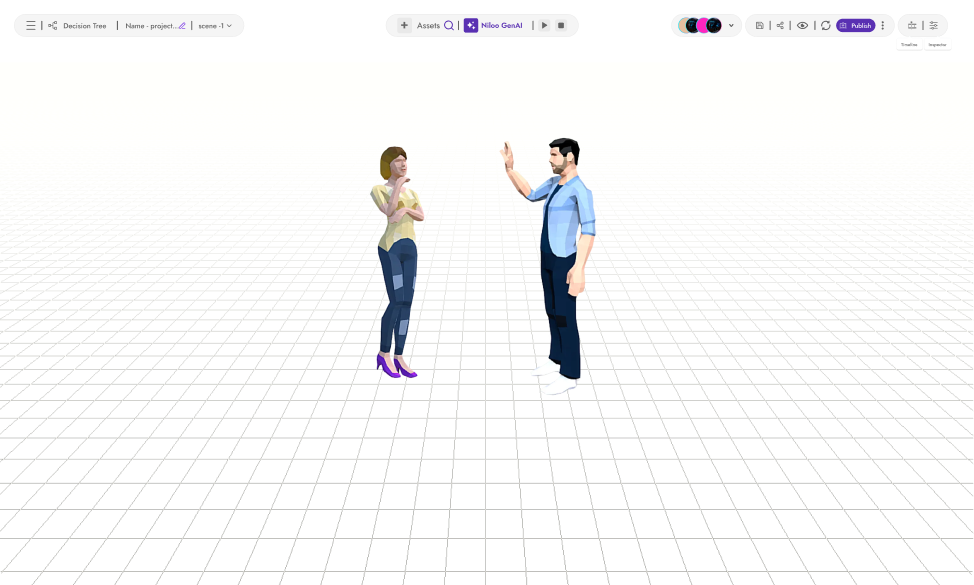
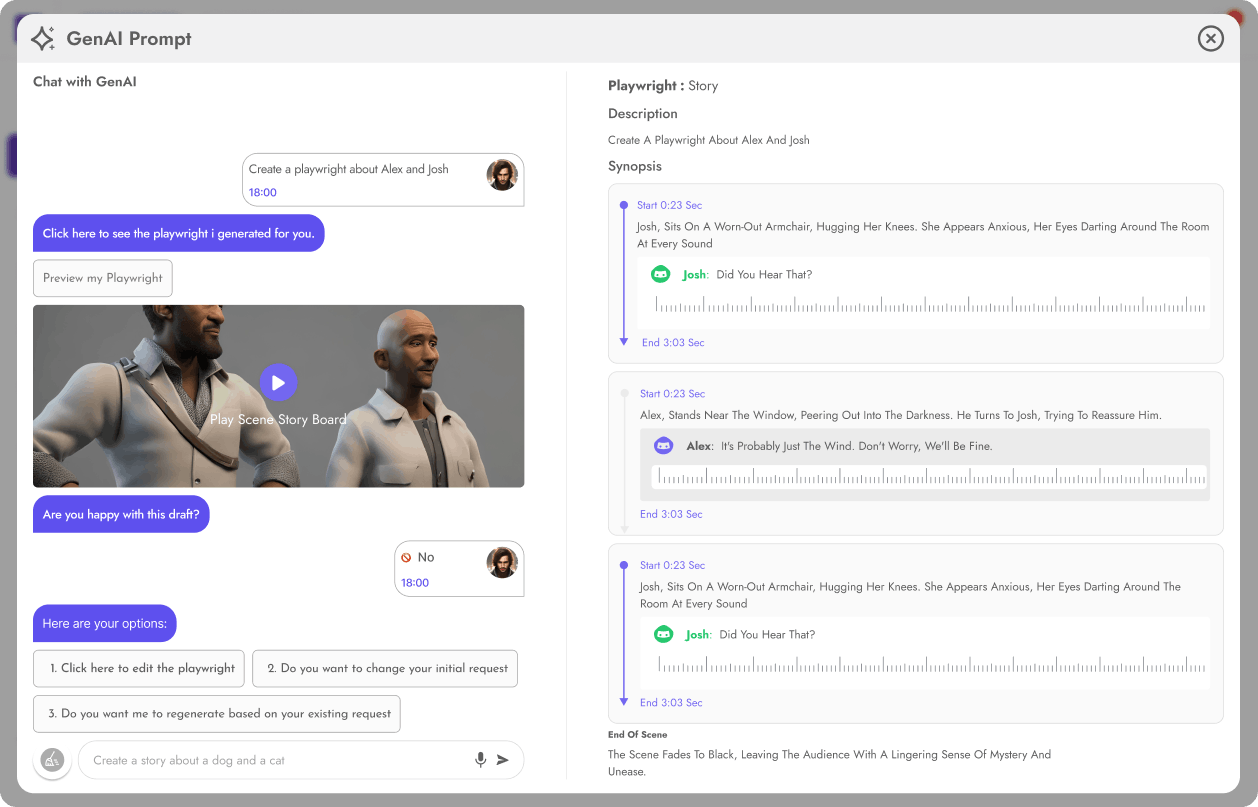
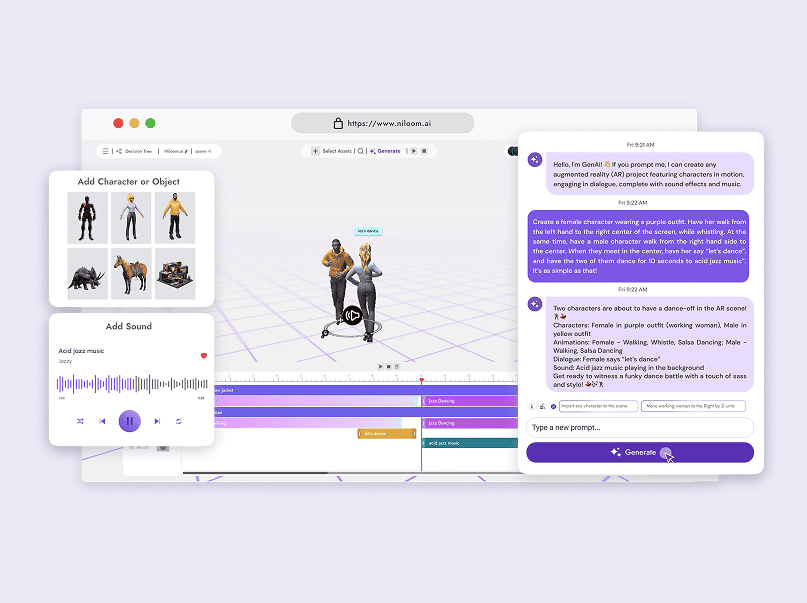
Niloom AI is a next‑generation GenAI platform built for spatial computing. It enables creators to generate 3D scenes, interactive environments, characters, and narratives for AR/VR experiences. all from a browser.
My Role
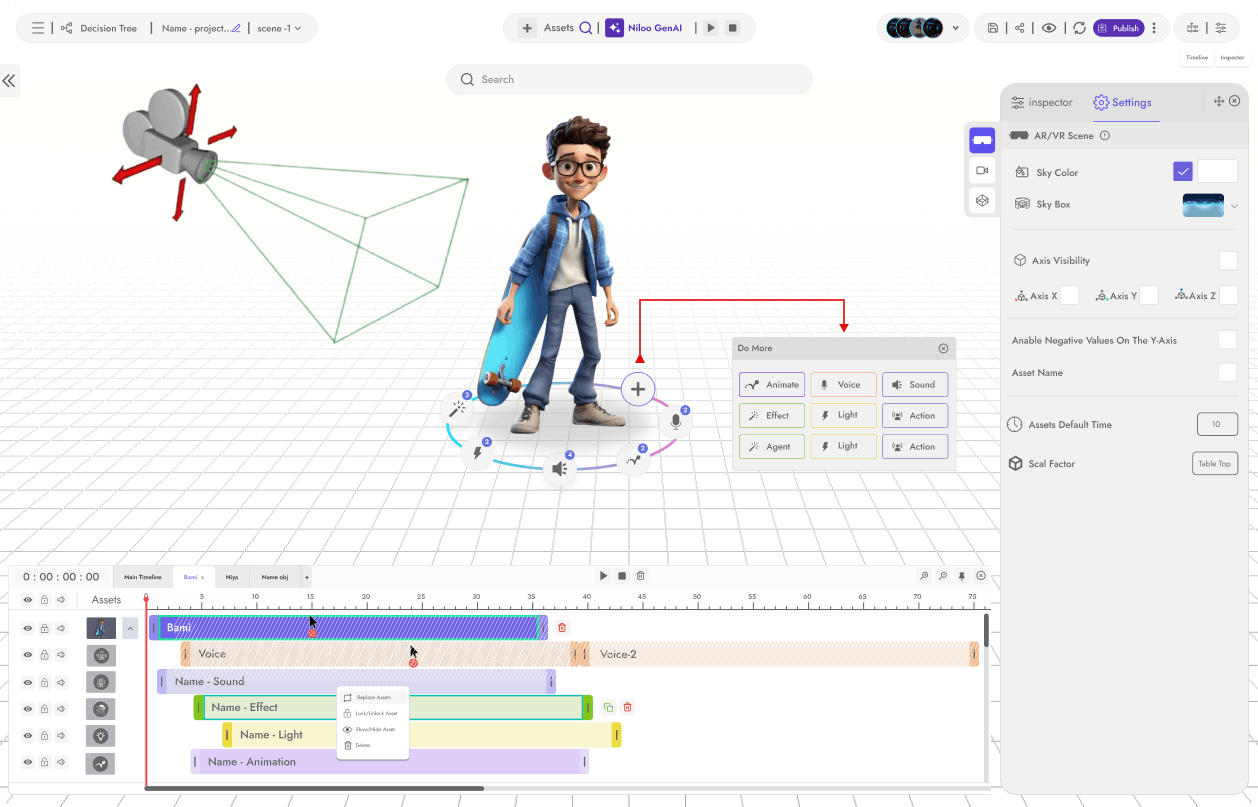
As the co-Lead UX Designer, I collaborated closely with other UX designers, product creatives, and engineers to reimagine Niloom AI’s web platform. The mission was to transform a powerful but complex GenAI system into an intuitive, gamified, and production‑ready experience for spatial creators. without sacrificing flexibility or creative depth.
How it works
The Product
Core Challenge
How do you design a GenAI platform that is both powerful and playful. without intimidating creators?
Key challenges included:
- Translating abstract AI concepts into understandable UI patterns- Hard-to-find categories and meals
- Balancing creative freedom with guided workflows
- Designing for both beginners and advanced spatial creators
- Creating a system that could evolve rapidly alongside AI model updates
Process/Methodology
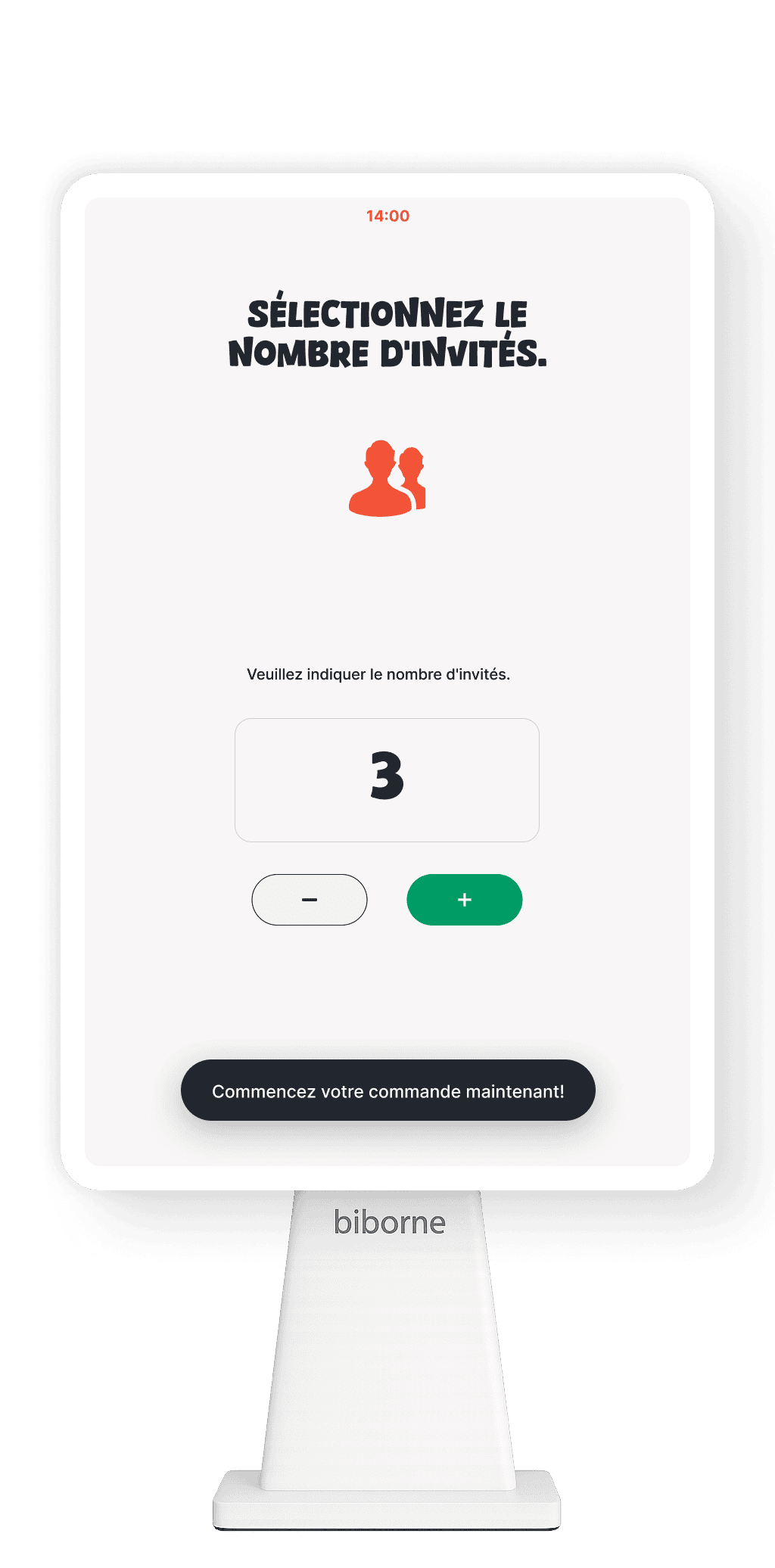
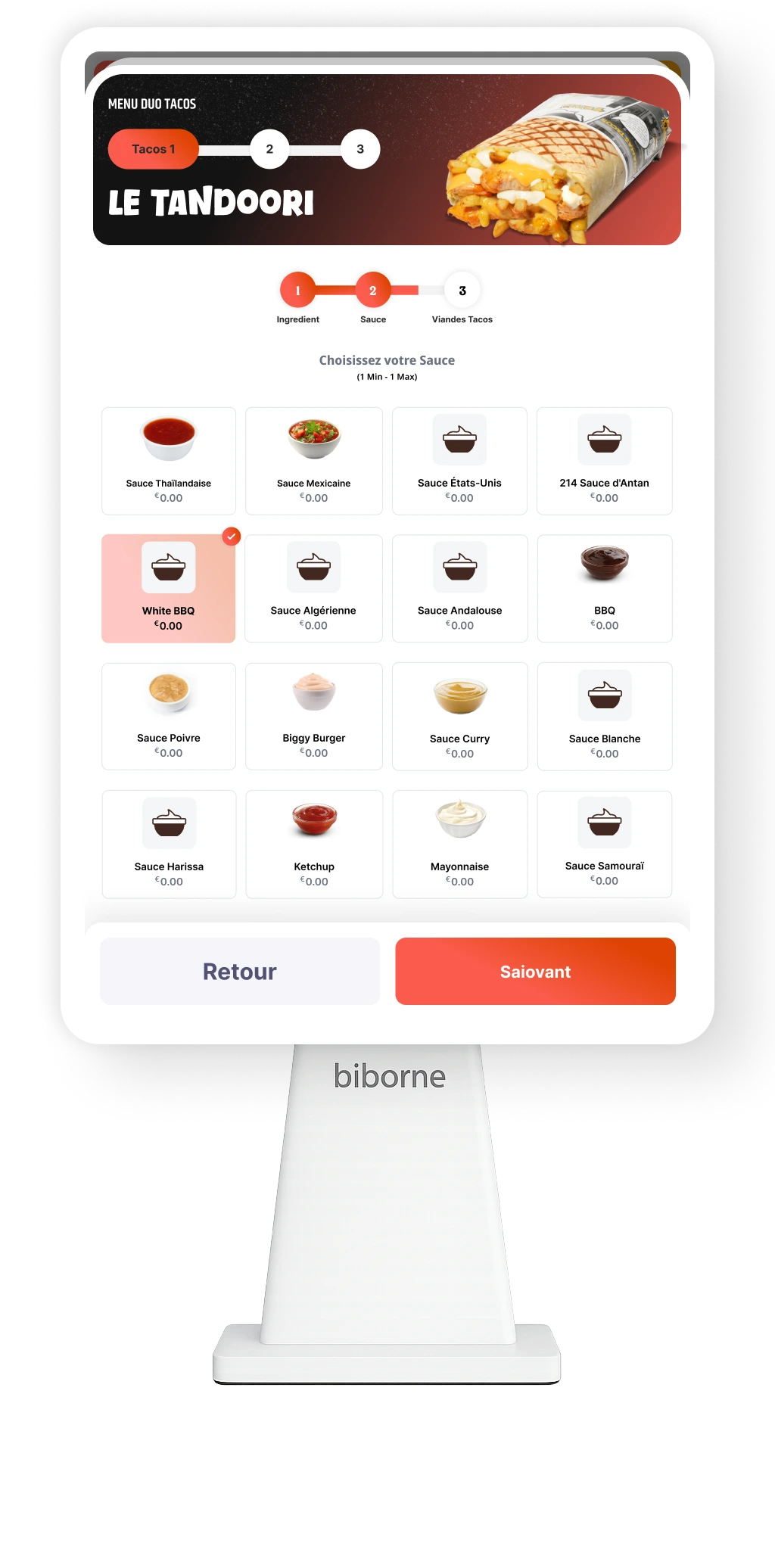
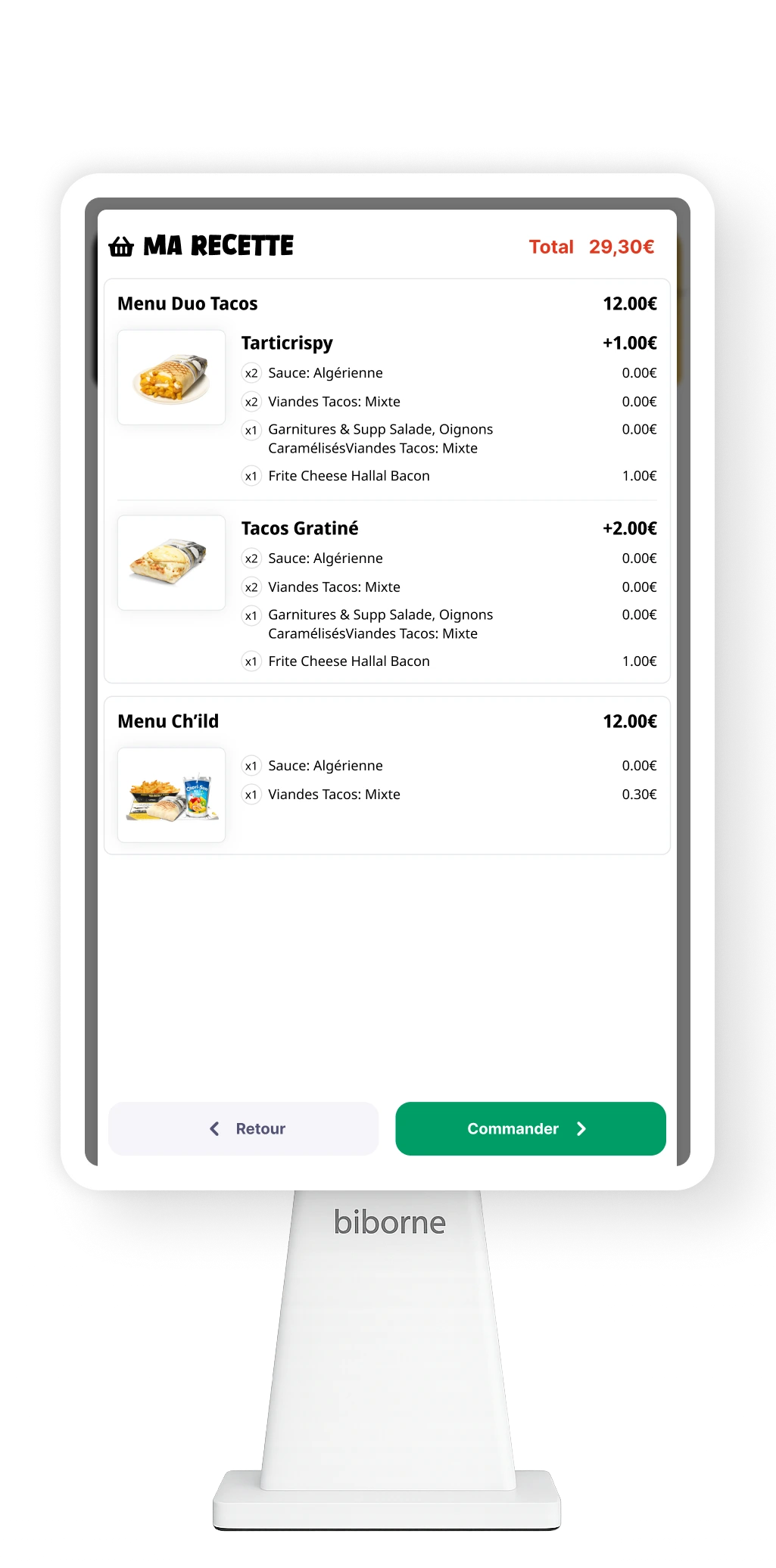
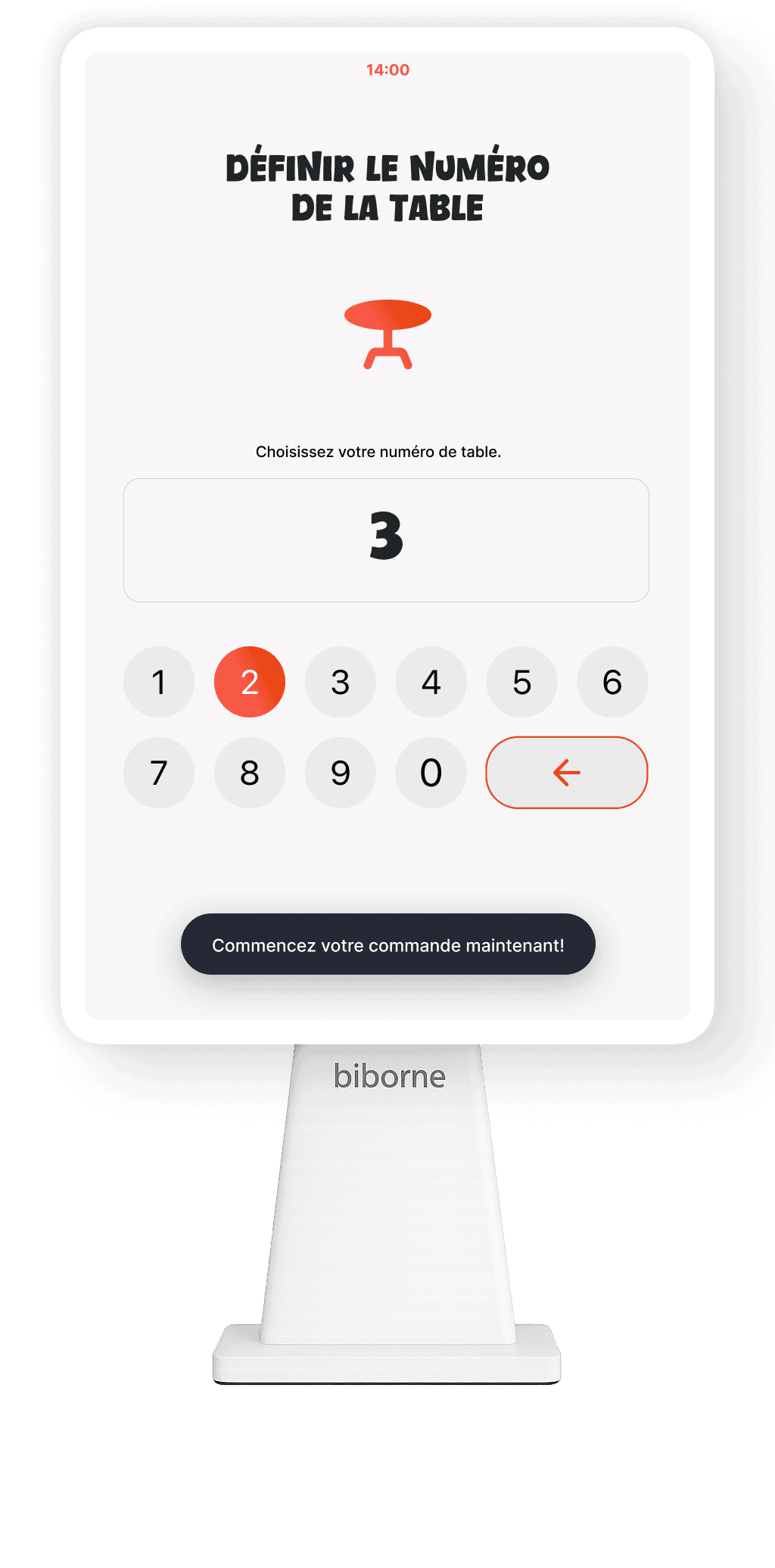
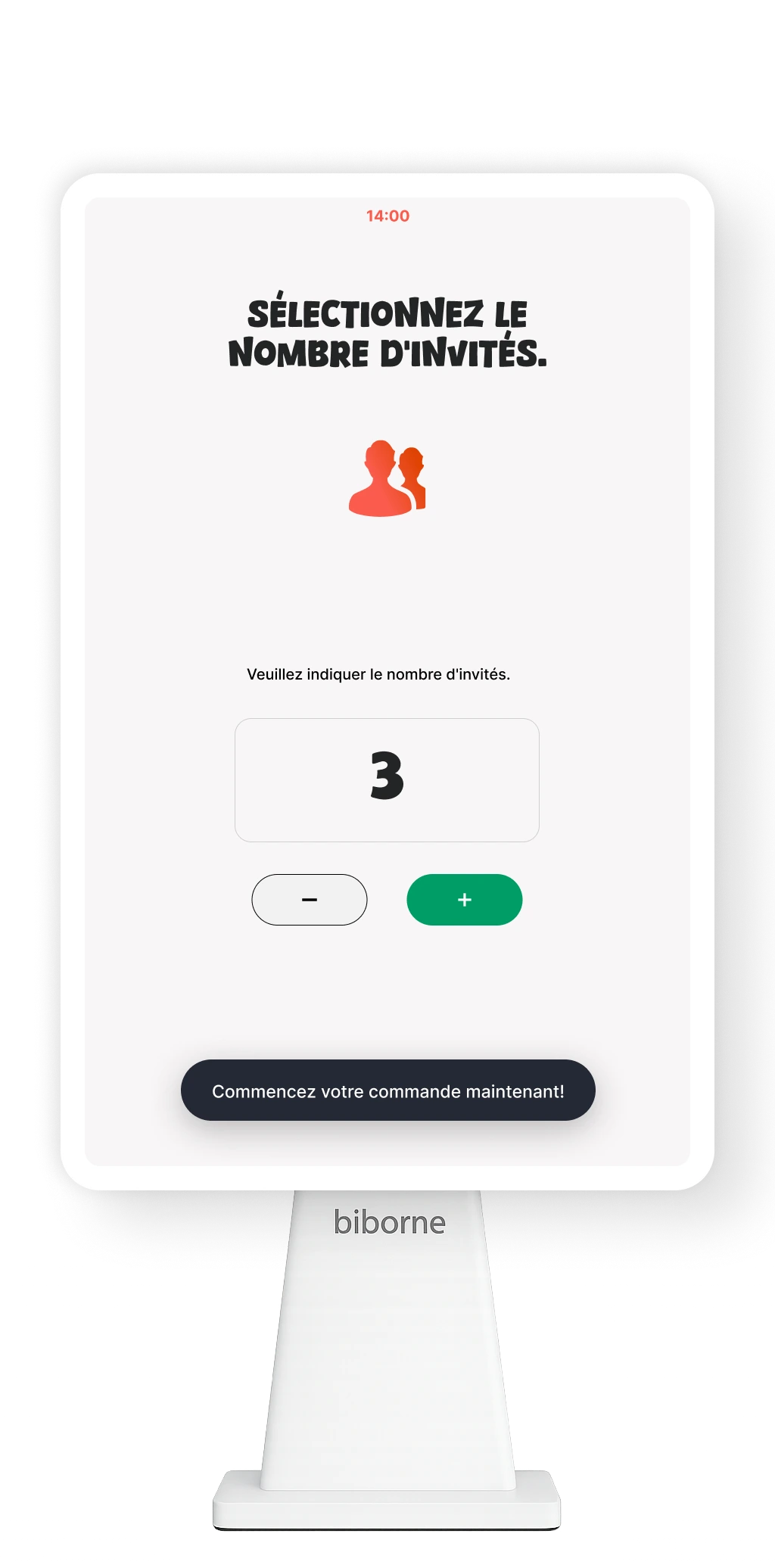
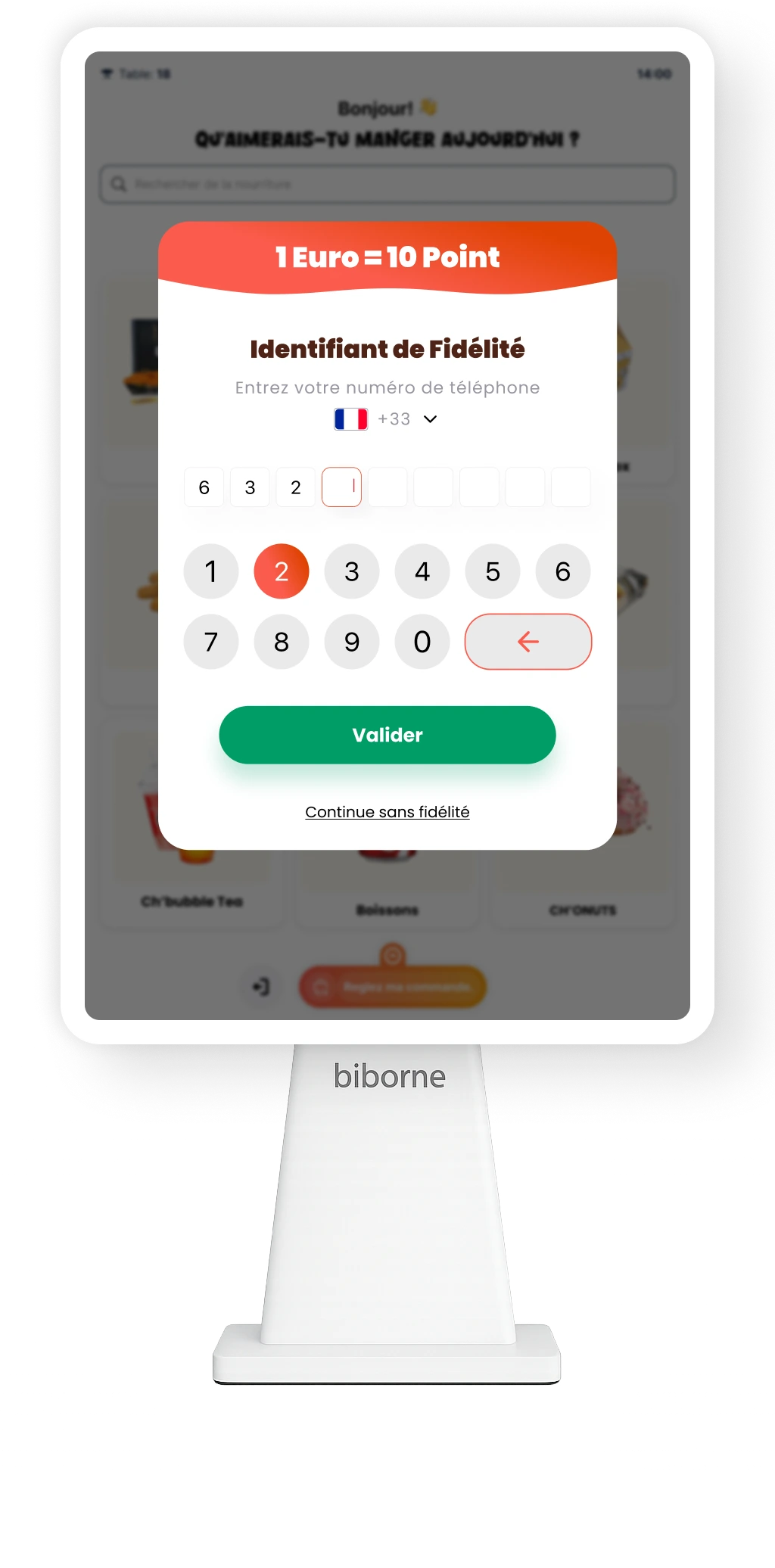
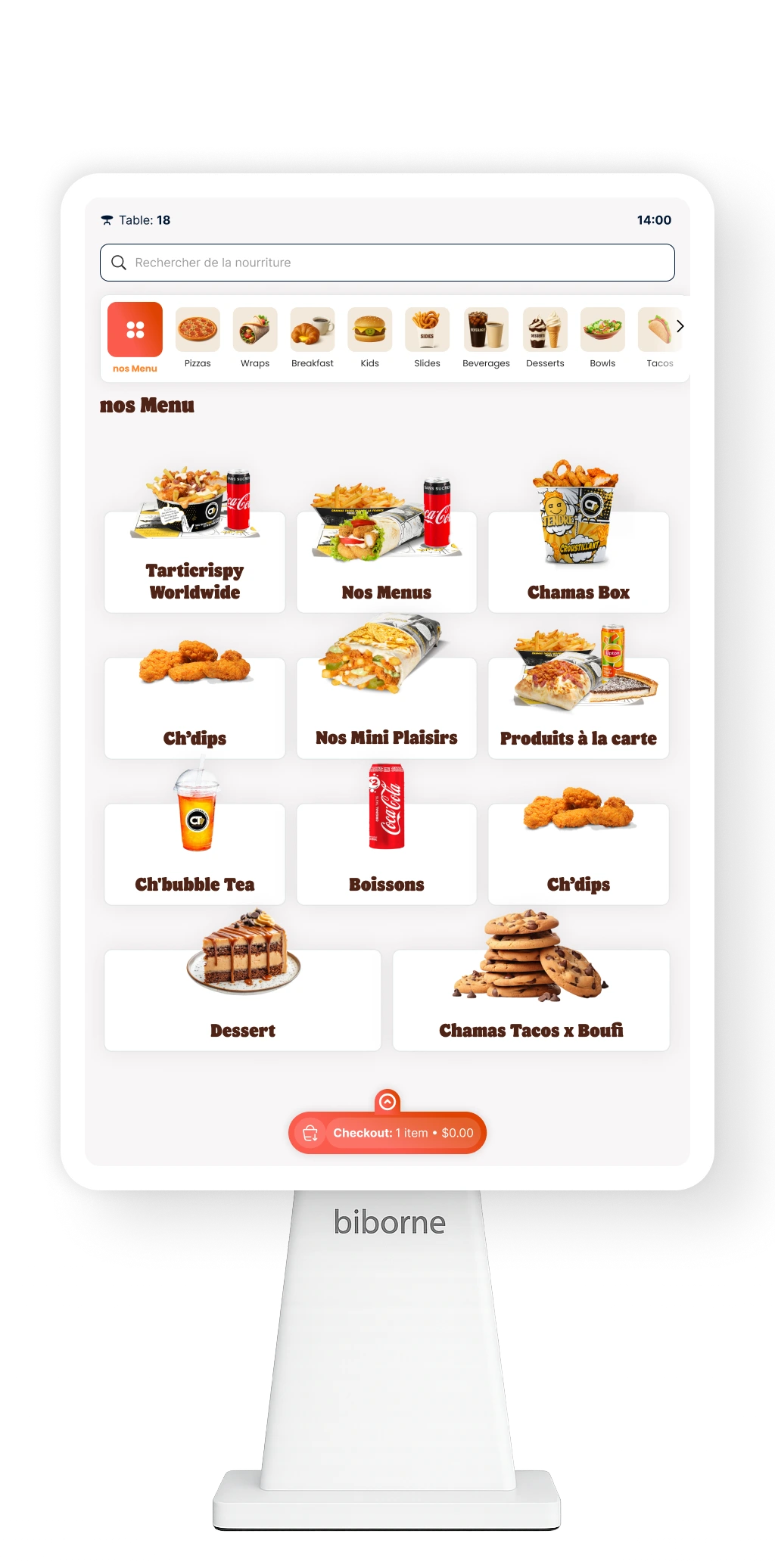
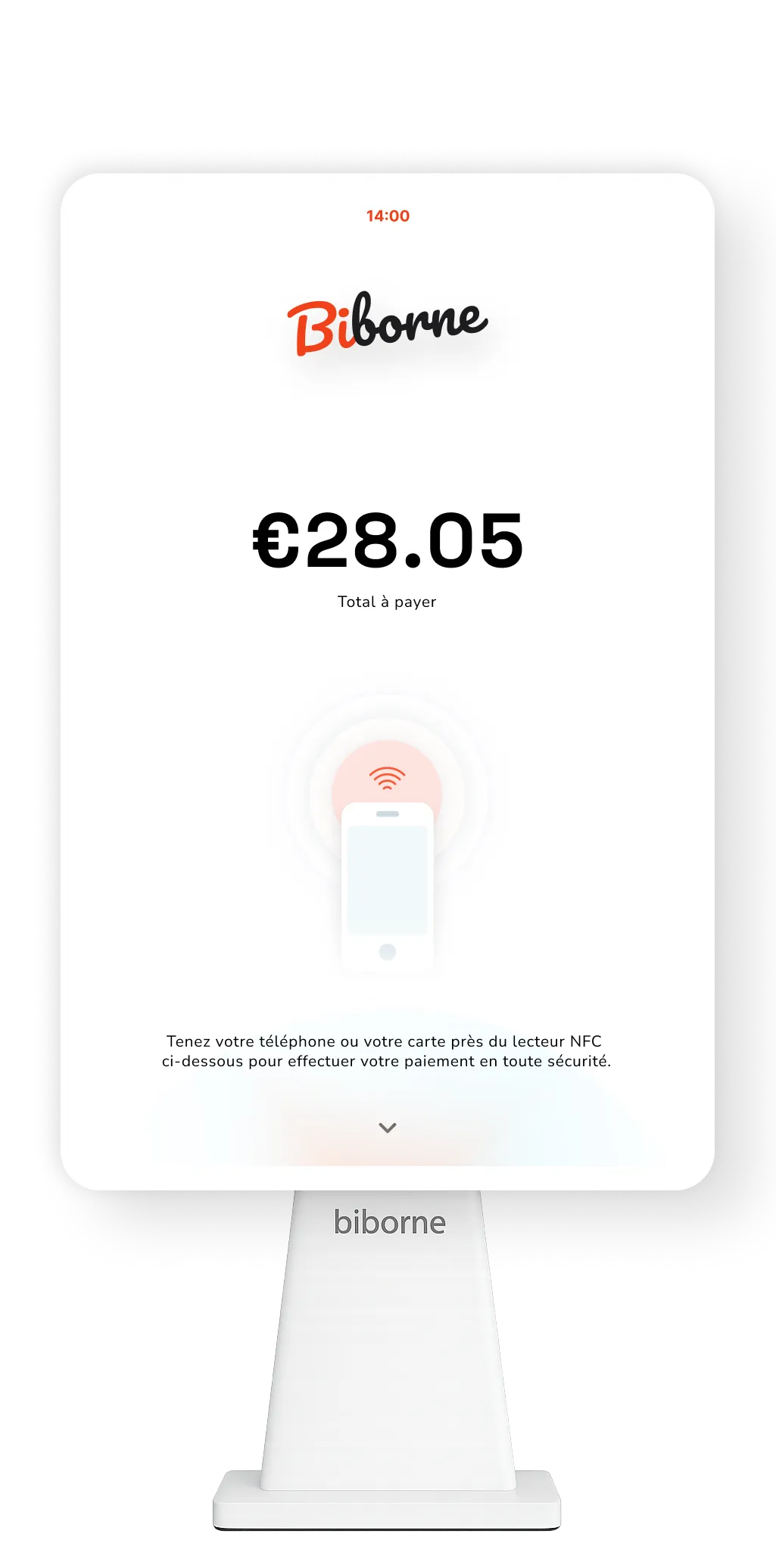
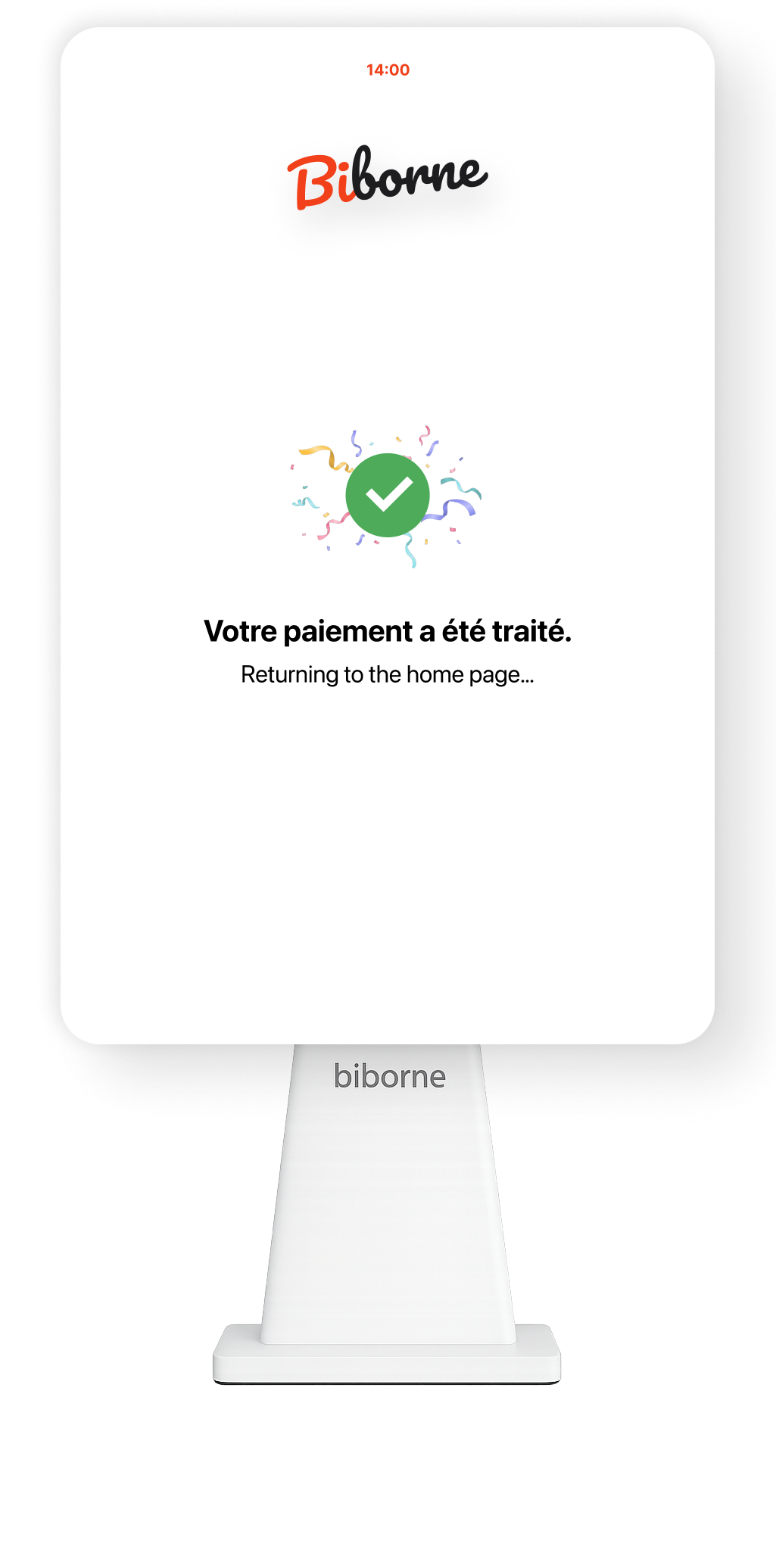
I approached the kiosk redesign by grounding every decision in usability, speed, and operational impact:
1. User-Centered Observation: Studied real customers using the kiosk during peak hours to understand navigation issues, customization confusion, and decision bottlenecks.

2. Flow Redesign:
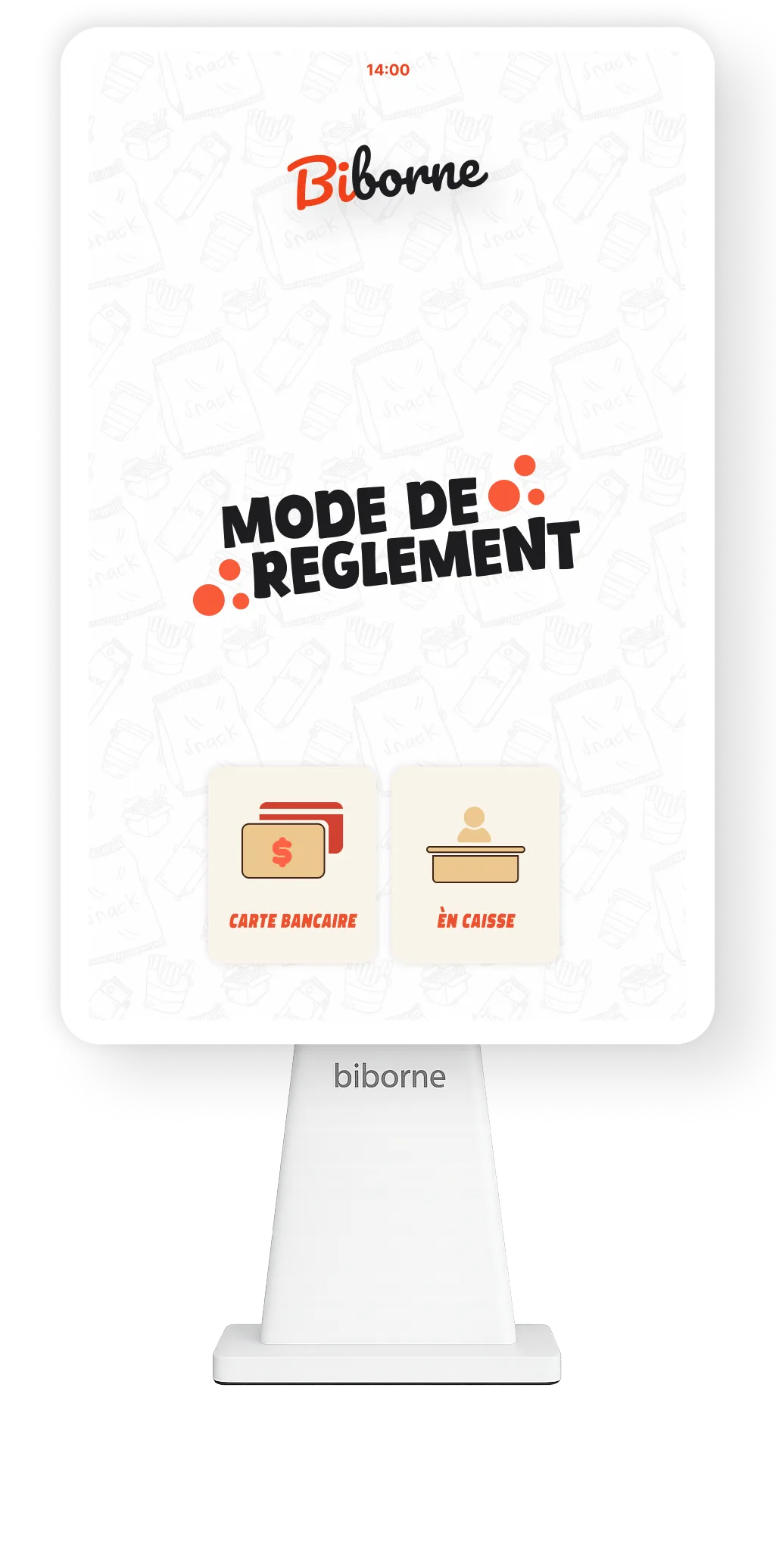
Simplified category structure, streamlined customization, and introduced a faster checkout path optimized for rush-hour efficiency.

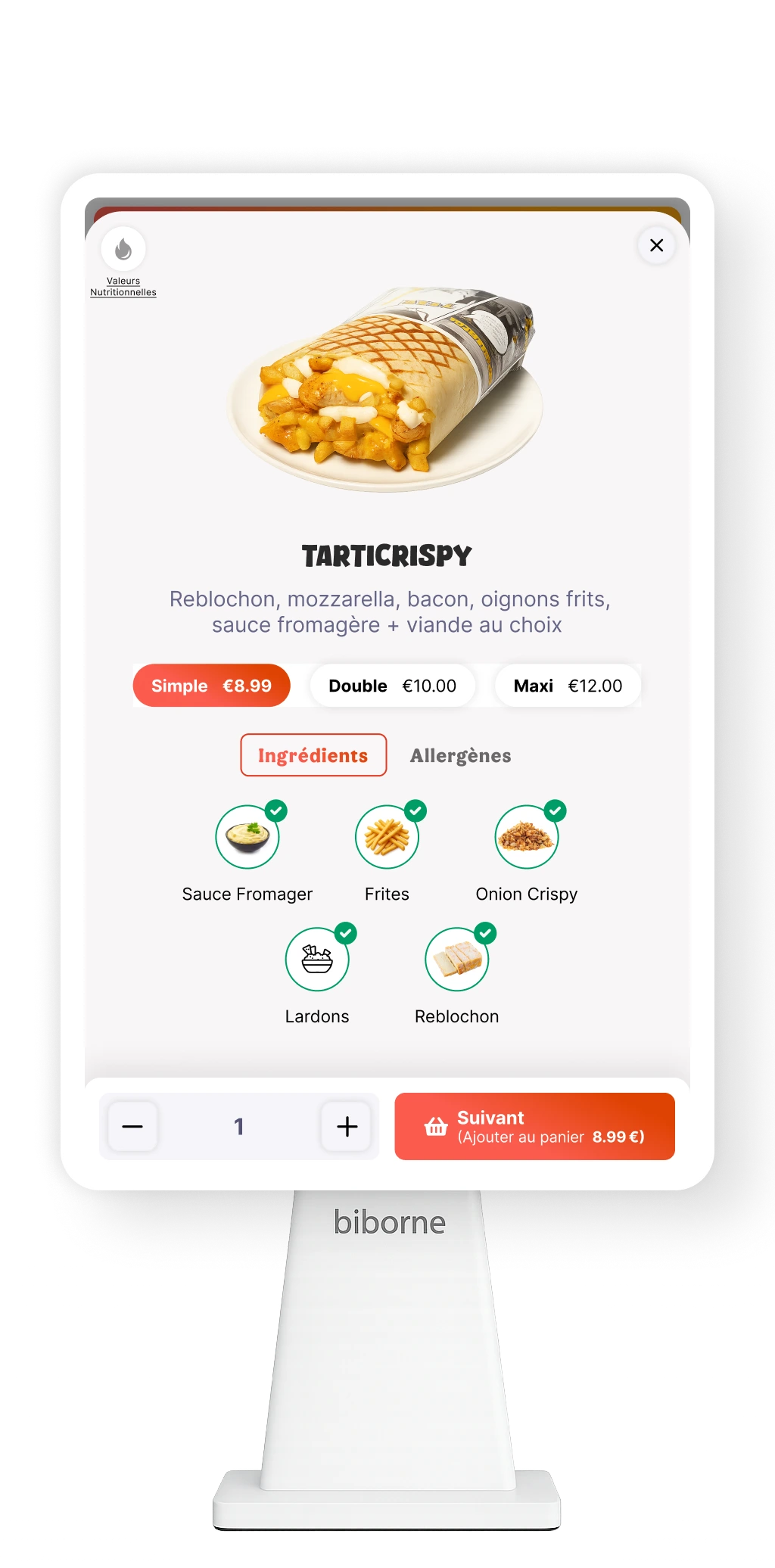
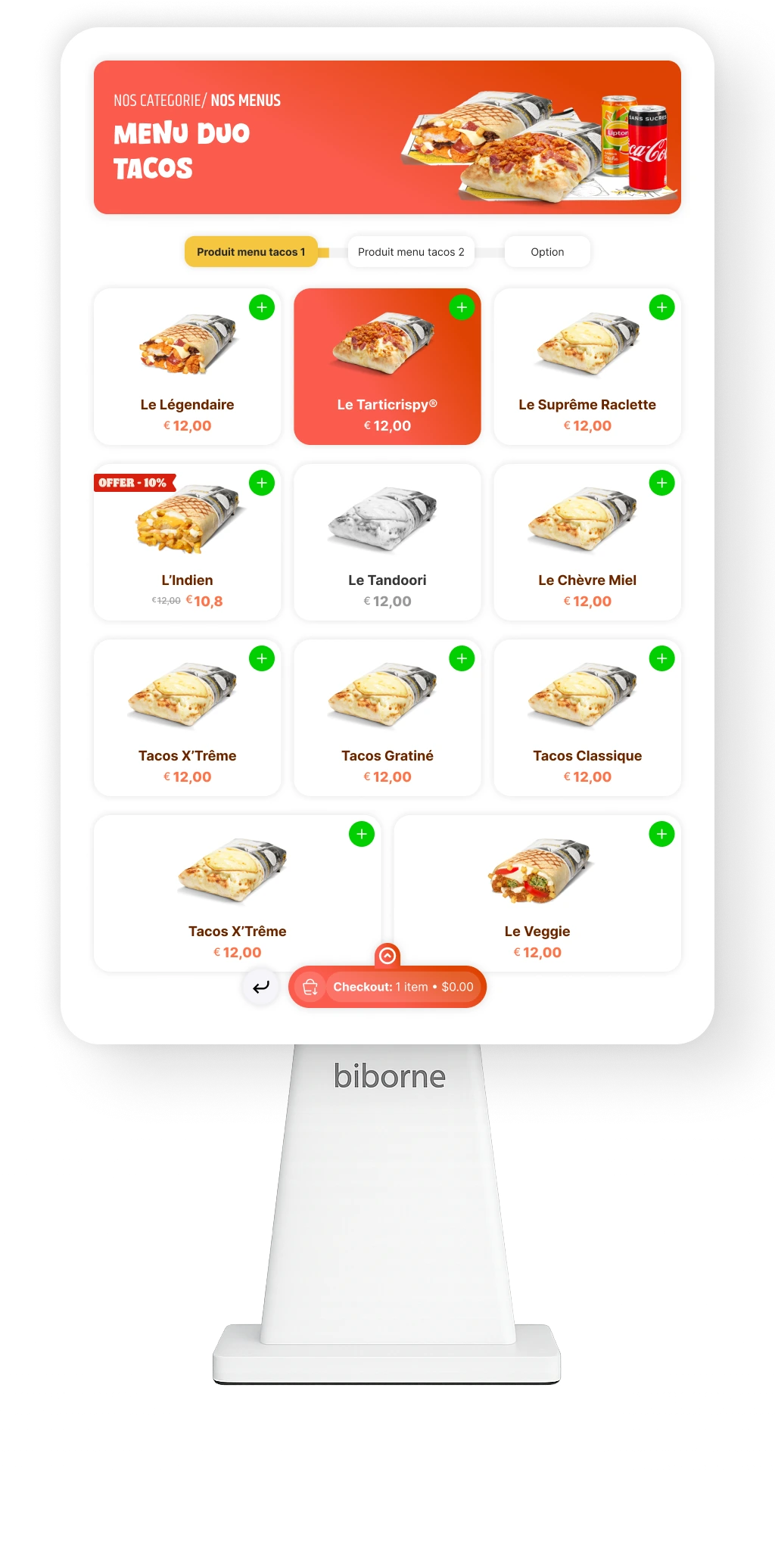
3. Touch-Friendly UI/UX: Designed a clean, visual, tap-friendly interface with clear hierarchy, large touch targets, and high visibility for add-ons.

4. Upsell & Efficiency Optimization: Improved add-on discovery, reduced cognitive load, and created a more predictable step-by-step flow.

5. Iterative Testing: Validated prototypes with customers and staff, refining layout, speed, and clarity before piloting in live restaurant environments.
Results/Outcomes
The project delivered measurable improvements, including:
• Faster Ordering Flow: Average order time decreased by 32%, driven by clearer navigation, simplified customization, and improved accessibility.
Higher Order Value: Add-on and upgrade selections increased by 15% after surfacing toppings and extras at the right moments
Improved Operational Efficiency: Restaurants processed 27% more orders per hour, significantly easing peak-time congestion.
Lower Staff Burden: Staff intervention at kiosks dropped by 40%, allowing teams to stay focused on service and kitchen operations.
More Accurate Kitchen Order: Unified UX patterns with the POS reduced order errors by 18%, leading to smoother kitchen throughput.
Positive Customer Feedback: Users consistently described the new kiosk as faster, clearer, and easier to navigate, boosting overall satisfaction.
Company Logo
Demo Prototype
Social Media
Social Media
Social Media
Social Media
I’m available
Let's Create Your
Dream Project